

POP Module 2 - Sustainability
Solar Power Systems and Energy Management
Master solar power fundamentals, battery management, troubleshooting, and sustainable operation of off-grid POP systems
Learning Objectives
By the end of this module, you will be able to:
Sustainability Benefits and Grid Independence
Environmental impact, cost savings, and resilience advantages
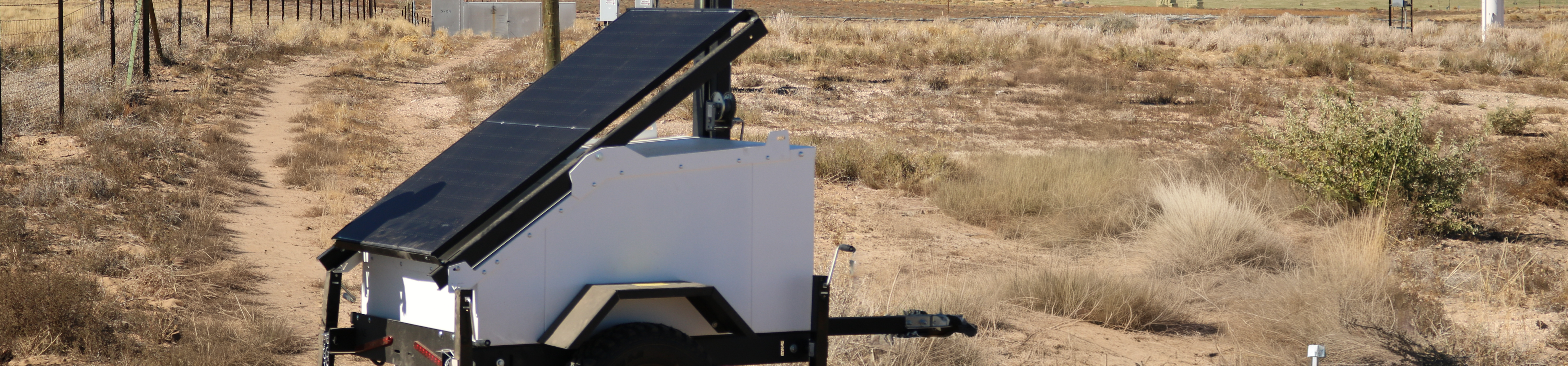
Solar-powered POPs represent a significant sustainability initiative for NMSU, reducing carbon emissions, eliminating infrastructure costs, and providing resilient connectivity that operates independently of the electrical grid.
Environmental Impact
Equivalent to planting 5 trees or taking a car off the road for 500 miles per year, per POP.
- Zero operational emissions
- No fossil fuel consumption
- Renewable energy source
- Minimal environmental footprint
Cost Savings
Eliminates need for trenching, conduit, fiber installation, and ongoing electricity costs.
- No utility bills ($50-100/month saved)
- No trenching costs ($50K-200K+ saved)
- Minimal maintenance expenses
- Redeployable to new locations
Grid Independence
POPs continue operating during power outages that affect main buildings and facilities.
- Resilient to grid failures
- No outage-related downtime
- Emergency communication capability
- Operates in any location
Long-Term Sustainability Analysis
20-Year Lifecycle Comparison
- Infrastructure: $150,000-250,000
- Electricity: $1,200/year × 20 = $24,000
- Maintenance: $5,000/year × 20 = $100,000
- Initial equipment: $25,000-35,000
- Electricity: $0
- Maintenance: $500/year × 20 = $10,000
- Battery replacement (year 10): $5,000
Additional Benefits
POPs can be relocated to different fields or research sites as needs change, without abandoning infrastructure investment.
POPs can be deployed in days versus months for traditional infrastructure, enabling immediate research support.
Adding new POPs is straightforward and cost-effective compared to extending wired infrastructure to additional locations.
Alignment with NMSU Sustainability Goals
Solar-powered POPs directly support NMSU's commitment to sustainability and environmental stewardship: