

POP Module 1 - What is a POP?
Introduction to POPs and Connectivity Infrastructure
Understanding Point-of-Presence systems, their role in agricultural research, and the hardware that powers rural connectivity
Learning Objectives
By the end of this module, you will be able to:
What is a Point-of-Presence (POP)?
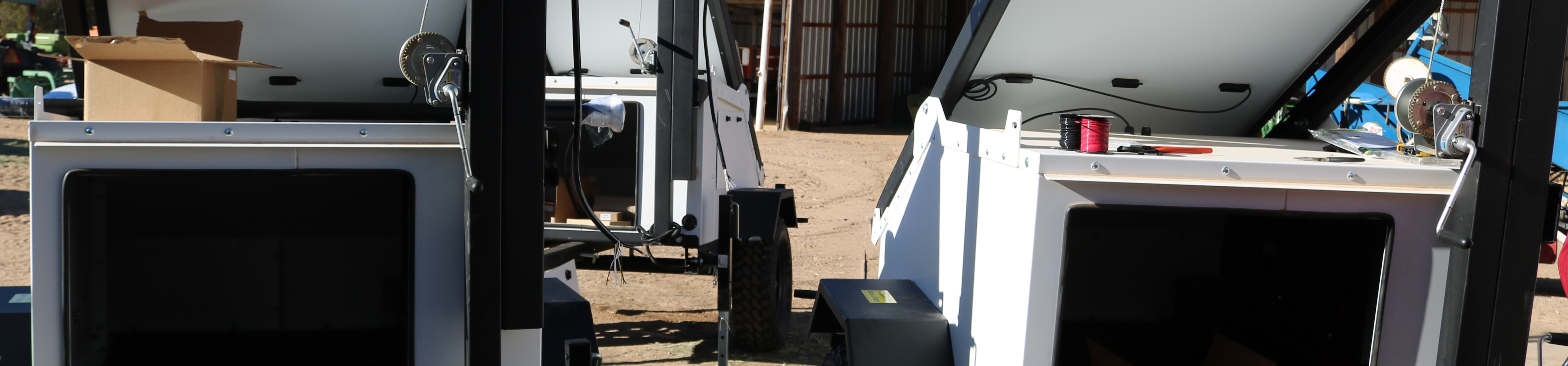
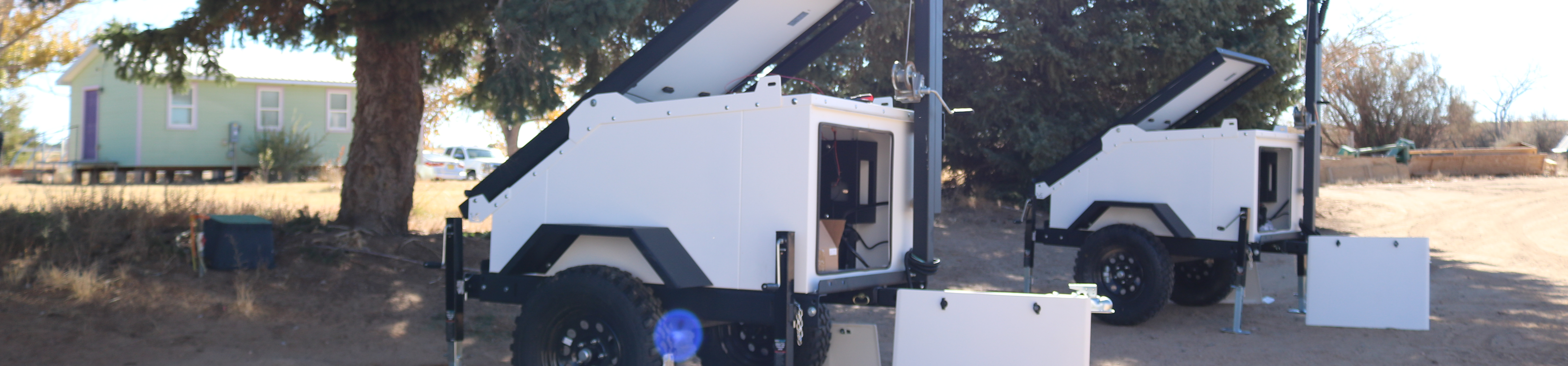
A Point-of-Presence (POP) is a strategic network access point that extends connectivity infrastructure to remote or underserved locations. In the context of NMSU Agricultural Science Centers, a POP serves as a mobile, self-powered wireless hub that brings high-speed internet and network services to agricultural fields, research plots, and remote facilities.
Key Definition
Point-of-Presence (POP): A physical location where networks interconnect, providing access to internet and data services. For NMSU, POPs are mobile solar-powered trailers equipped with wireless networking equipment that create connectivity zones in agricultural settings.
Core Functions
Network Extension
Extends the main ASC network to remote areas via point-to-point wireless links, eliminating the need for expensive fiber or cable installation.
Local WiFi Coverage
Provides WiFi access points for staff devices, tablets, laptops, and mobile equipment within the deployment area.
IoT Connectivity
Connects Internet of Things devices like soil sensors, weather stations, cameras, and irrigation controllers to the network.
Off-Grid Operation
Operates independently using solar power and battery storage, enabling deployment in locations without electrical infrastructure.
POP Architecture Overview
The NMSU POP system uses a hub-and-spoke architecture. The main building at each ASC serves as the hub, equipped with a sector antenna (Rocket M2) that broadcasts in a wide coverage area. The mobile POP trailers act as spokes, using directional LiteBeam antennas to establish point-to-point links back to the hub, then redistributing connectivity locally via access points.