

POP Module 1 - Trailer Overview
Introduction to POPs and Connectivity Infrastructure
Understanding Point-of-Presence systems, their role in agricultural research, and the hardware that powers rural connectivity
Learning Objectives
By the end of this module, you will be able to:
Vorp Solar Trailer Components
Understanding the physical infrastructure that powers your POP
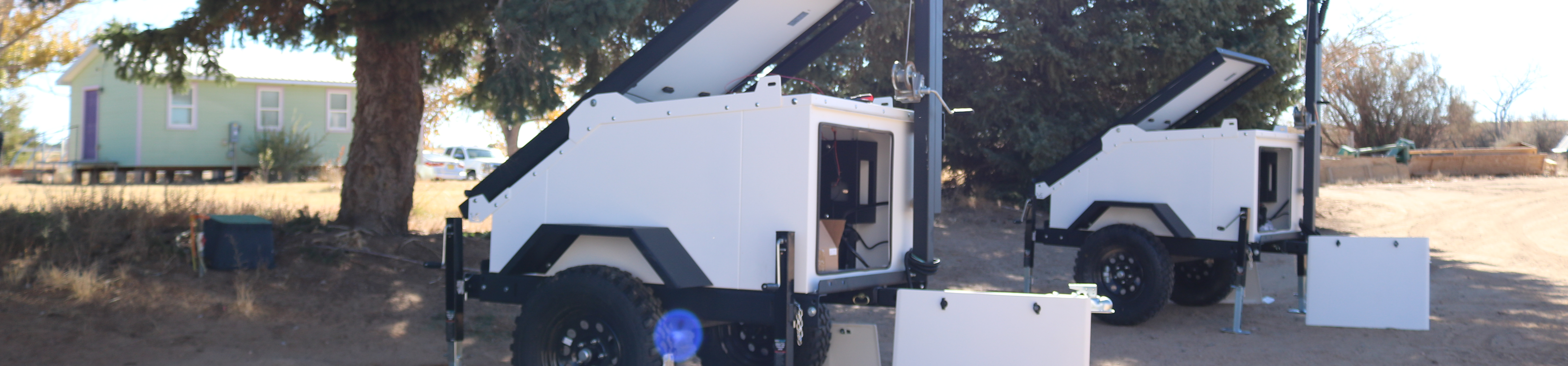
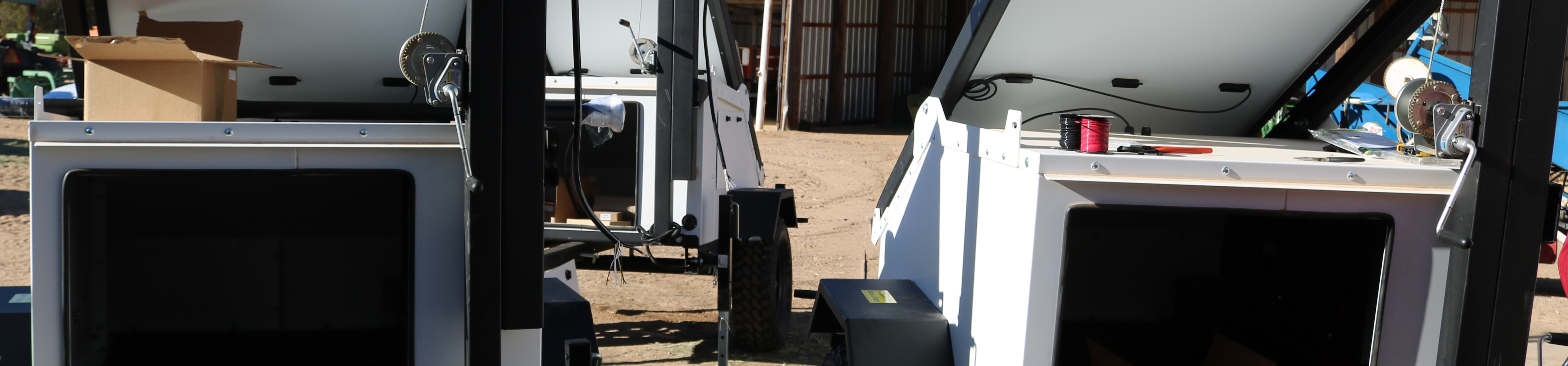
The Vorp solar trailer is a purpose-built mobile platform designed for remote deployment of wireless networking equipment. Each trailer is a complete, self-contained system requiring no external power or infrastructure.
Major Components
POP Trailer System
Technical Specifications & Components
1. Solar Panel Array
Capacity: 400W to 3200W (configurable)
Type: Monocrystalline solar panels
Function: Converts sunlight to DC electricity to charge batteries and power equipment
Panels are mounted on a tilting frame for optimal sun angle. In New Mexico's high-desert climate, solar generation is highly reliable year-round.
2. Battery Bank
Capacity: 2 batteries × 200Ah @ 12V
Type: Sealed Lead Acid (SLA) or Lithium Iron Phosphate (LiFePO4)
Function: Stores energy for nighttime and cloudy day operation
Typical configuration provides 48-72 hours of autonomous operation without sunlight, ensuring continuous connectivity even during storms or winter conditions.
3. Charge Controller & Power Management
System: MPPT solar charge controller + Victron Cerbo GX monitoring
Function: Regulates charging, prevents overcharge/overdischarge, provides remote monitoring
The Cerbo GX system allows remote monitoring of battery voltage, solar production, and power consumption via web interface or mobile app, enabling proactive maintenance.
4. Telescopic Mast
Height: 21 feet (fully extended)
Operation: Manual winch system
Function: Elevates wireless antennas for line-of-sight and optimal coverage
Height is critical for wireless performance. The mast raises antennas above obstacles like vegetation, fences, and terrain variations to establish clear line-of-sight to the main building.
5. Wireless Equipment Mounting
Mounted Equipment: LiteBeam 5AC (backhaul), Access Points (local WiFi)
Mounting: Weatherproof brackets on mast
Cabling: Outdoor-rated ethernet (PoE) from equipment enclosure to mast
All wireless equipment is powered via Power over Ethernet (PoE), simplifying cabling and reducing the number of connection points exposed to weather.
6. Trailer Chassis & Mobility
Frame: Heavy-duty steel with protective bedliner coating
Hitch: Standard 2" ball hitch (detachable)
Wheels: Off-road tires with 2000 lb suspension
Stabilization: Four corner jacks for leveling and stability
The trailer is designed for towing by standard pickup trucks and can handle rough field conditions. Once deployed, the hitch can be removed and stabilizing jacks deployed for long-term stationary operation.