

POP Module 1 - Why POPs Matter?
Introduction to POPs and Connectivity Infrastructure
Understanding Point-of-Presence systems, their role in agricultural research, and the hardware that powers rural connectivity
Learning Objectives
By the end of this module, you will be able to:
Define what a Point-of-Presence (POP) is and explain its purpose
Describe why POPs are critical for research and operations at ASCs
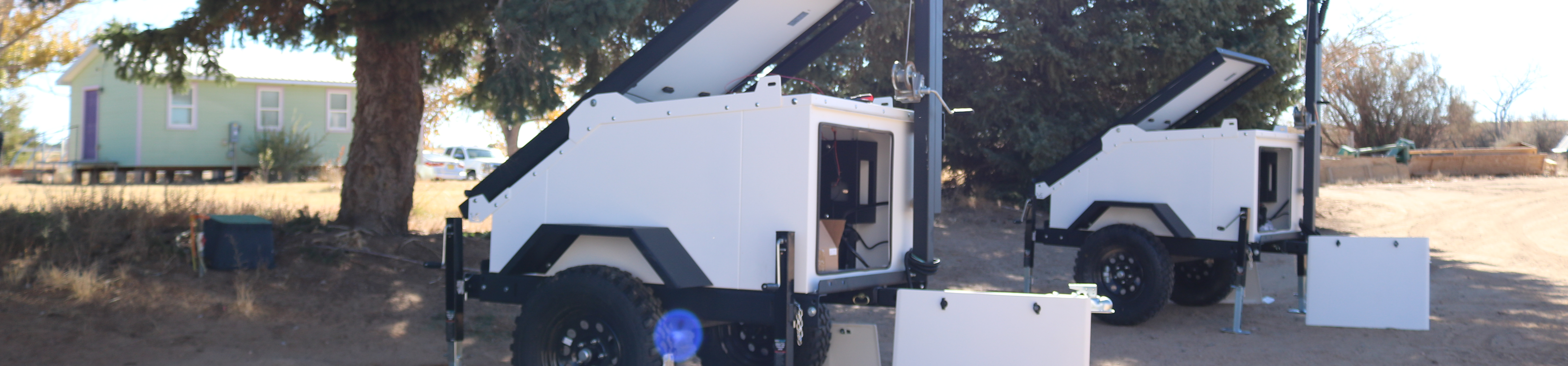
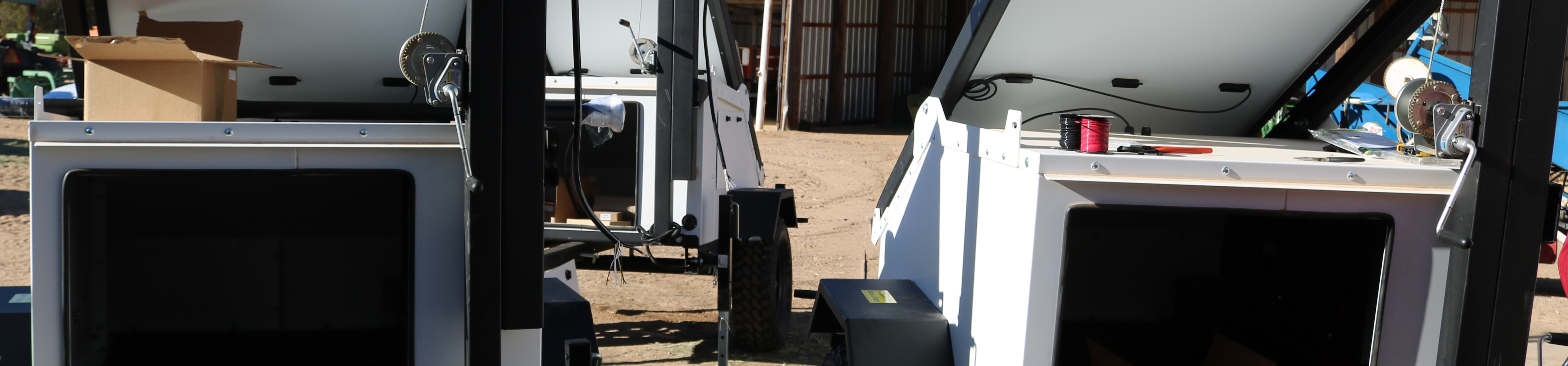
Identify key components of the Vorp solar surveillance trailer
Recognize Ubiquiti wireless hardware and its functions
Articulate the benefits POPs provide to staff and researchers
Why POPs Matter for Research & Operations
Agricultural Science Centers face unique connectivity challenges. Research plots, experimental fields, and livestock facilities are often located far from main buildings where traditional internet infrastructure ends. POPs solve this critical gap, enabling modern research methodologies and operational efficiency.
Critical Benefits for ASC Operations
Training Focus: Understanding the capabilities of POP trailers is essential for maximizing research efficiency and data collection at NMSU Agricultural Science Centers. Each capability below represents a key operational advantage.
Real-Time Data Collection
Researchers can deploy IoT sensors throughout fields to continuously monitor soil moisture, temperature, humidity, and other environmental variables. Data flows in real-time to databases, enabling immediate analysis and responsive decision-making.
💡 Example: Automated irrigation systems adjust water delivery based on live soil moisture readings from POP-connected sensors.
Remote Monitoring & Surveillance
Security cameras, wildlife cameras, and visual monitoring systems connect through POPs, allowing staff to observe field conditions, livestock behavior, and equipment status from anywhere without physical site visits.
💡 Example: Nighttime monitoring of irrigation systems or detection of equipment malfunctions via connected cameras.
Enhanced Researcher Productivity
Field researchers can access cloud databases, reference materials, and collaboration tools while working in remote plots. Tablets and laptops connect seamlessly, eliminating the need to return to offices for data entry or information lookup.
💡 Example: Graduate students conducting field trials can immediately upload observations and photos to shared research databases.
Precision Agriculture Enablement
Modern precision agriculture relies on connectivity for GPS-guided equipment, variable rate application systems, and data-driven decision support tools. POPs provide the network backbone for these advanced technologies.
💡 Example: Autonomous tractors and drones coordinate operations through POP network connections.
Cost-Effective Infrastructure
Traditional wired infrastructure (fiber optic or ethernet cables) to remote fields can cost $50,000-$100,000+ per mile. POPs provide equivalent connectivity at a fraction of the cost, with the added benefit of mobility and redeployment flexibility.
💡 ROI: A single POP can replace $200,000+ in fiber installation costs while serving multiple locations over its lifetime.
Impact on Research Capacity
3x
Increase in data collection frequency
60%
Reduction in field visit time
$200K+
Infrastructure cost savings
Operational Training: Understanding these capabilities helps trailer operators maximize the value of POP deployments. Proper positioning and alignment directly impacts the effectiveness of each capability listed above.